
Implied Probability Calculator: Convert Betting Odds to Percentages

An Implied probability calculator converts betting odds into a percentage chance of winning, letting you see what probability a sportsbook assigns to a World Cup 2026 outcome. Enter decimal, fractional, or American odds, and the tool translates the price into a readable percentage that still includes the bookmaker's built-in margin. Comparing that implied probability against your own estimate is how you identify possible value in futures and match markets.
Definition: An implied probability calculator is a betting tool that converts odds in any format, decimal, fractional, or American, into the percentage chance of an outcome that is embedded in the bookmaker's price.
TL;DR
- Implied probability shows the win-chance a sportsbook's odds suggest, but it includes their profit margin, also called vig.
- The conversion formula differs for American, decimal, and fractional odds. Get the wrong one and the percentage is meaningless.
- For World Cup 2026 futures, comparing implied probabilities across books and against your own model is the primary way to find value.
- Removing the vig gives you the “fair” or “true” probability, which most quick odds-converter pages fail to explain properly.
- A calculator cannot predict match results; it only translates the price into a number you can compare.
At a Glance: 5 Facts About Implied Probability in Betting
- Implied probability includes margin: The raw percentage from sportsbook odds usually contains the bookmaker’s overround, so it is not a clean “true chance.”
- Odds format changes the formula: Decimal, American, and fractional odds all convert differently. Mixing formulas is the fastest way to get a bad number.
- Fair probability is the no-vig version: Remove the bookmaker’s margin before judging whether a price is generous or short.
- Value needs comparison: A value bet only exists when your estimated probability is higher than the fair probability in the market.
- World Cup 2026 use is mainly comparative: Implied probability helps compare winner, group, and match prices, but it does not predict who lifts the trophy.
The pocket check is real. I’ve seen bettors refresh a futures screen at lunch because one team drifted from 8.00 to 9.50 overnight.
What Implied Probability Means for Football Bettors
Implied probability is the win-chance baked into betting odds before you decide whether the price is worth taking. If a team is priced at 2.00, the raw implied probability is 50%, because 1 divided by 2.00 equals 0.50.
Sportsbooks set prices so the combined implied probabilities across all outcomes usually exceed 100%. That extra slice is the overround, or vig. It is how the book builds in margin before any ball is kicked.
For World Cup 2026, this matters in winner markets, group qualification, match result betting, BTTS, and totals. A team priced at 4.00 does not simply “have a 25% chance” in a clean sense. It has a 25% raw implied probability before margin adjustment.
Implied probability is market language. True probability is your estimate of reality. The useful work starts when those two numbers disagree. If you need the basics first, How odds work covers the formats before the conversion step.
How Implied Probability Calculation Works Behind the Odds
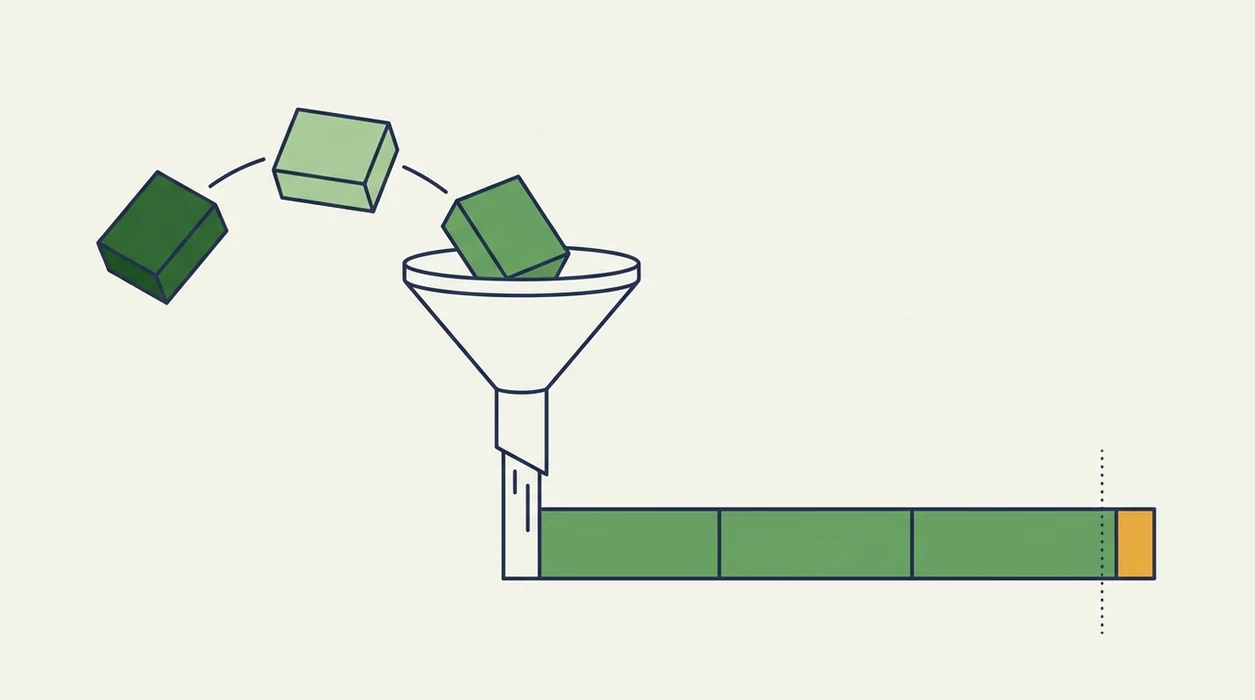
Implied probability calculation works by converting the payout structure of betting odds into a percentage chance. The mechanism is simple, but the formula changes by odds format.
For source context on fixed-odds pricing, bookmaker margin, and overround mechanics, see Fixed-odds betting and Mathematics of bookmaking.
Decimal Odds to Probability Formula
For decimal odds, use:
Implied probability = 1 / decimal odds
Decimal odds of 2.00 imply 50%. Decimal odds of 4.00 imply 25%. That is the cleanest format for quick mental checks. On a wall of screens before kickoff, decimal prices are the easiest ones to convert without reaching for a calculator.
American Odds to Implied Probability Formula
For negative American odds, use:
Implied probability = stake / (stake + odds)
So -150 becomes 150 / (150 + 100), which equals 60%.
For positive American odds, use:
Implied probability = 100 / (odds + 100)
So +200 becomes 100 / 300, or 33.33%.
Fractional Odds to Probability Formula
For fractional odds, use:
Implied probability = denominator / (numerator + denominator)
Fractional odds of 3/1 imply 1 / (3 + 1), or 25%.
When you add every outcome in one market, the total often exceeds 100%. That excess is the overround. It is not a forecasting signal. It is pricing margin.
Requirements Before Converting Sportsbook Odds to Probability
Before using an odds to probability calculator, know which format your sportsbook displays. Decimal 2.50, American +150, and fractional 3/2 can describe the same price, but they do not use the same formula.
You also need odds for every possible outcome if you want to remove vig. For a football match result, that means home win, draw, and away win. For a World Cup winner market, it means every listed team, which can be messy.
Bring your own probability estimate too. That might come from a Poisson model, an xG projection, a ratings table, or a simple manual forecast. Without that second number, the calculator only tells you what the book is implying.
Futures move often. Coach quotes saved in a notes app can matter when a key striker’s tournament fitness is unclear.
How to Use the Implied Probability Calculator in 6 Steps
Use the calculator as a pricing tool, not as a prediction engine. The aim is to convert odds, strip out margin, then compare the fair number with your own estimate.
Step 1: Select Your Odds Format
- Choose decimal, fractional, or American odds exactly as your sportsbook displays them.
Step 2: Enter Sportsbook Odds
- Type the odds into the calculator without rounding too early, especially on tight match markets.
Step 3: Read the Implied Probability Output
- Read the raw implied probability percentage as the sportsbook’s margin-inclusive view of that outcome.
Step 4: Calculate the Overround Across All Outcomes
- Enter odds for every outcome in the same market to see the total implied probability.
Step 5: Remove the Vig for Fair Probability
- Normalize each outcome by the total overround to estimate its no-vig fair probability.
Example: if a three-way market totals 106%, divide each raw implied probability by 1.06 to estimate its no-vig percentage. That adjustment is why raw implied probability and fair probability should not be treated as the same number.
Step 6: Compare Against Your Own Estimate
- Compare fair probability with your estimate and only consider the bet if your number is higher.
For World Cup 2026 betting tips, good analysis should deliver probability, price context, and risk, not certainty dressed up as confidence. A deeper Value betting guide is useful once you start comparing fair price against your own model.
Implied Probability Comparison Table: Decimal vs American vs Fractional
The table below shows raw implied probability before vig removal. Use it as a quick reference, not as a final value call.
| Decimal Odds | American Odds | Fractional Odds | Implied Probability % |
|---|---|---|---|
| 1.50 | -200 | 1/2 | 66.67% |
| 1.80 | -125 | 4/5 | 55.56% |
| 2.00 | +100 | 1/1 | 50.00% |
| 2.50 | +150 | 3/2 | 40.00% |
| 3.00 | +200 | 2/1 | 33.33% |
| 4.00 | +300 | 3/1 | 25.00% |
| 6.00 | +500 | 5/1 | 16.67% |
Group-stage favourites at World Cup 2026 will often sit in the 1.30 to 1.80 range, depending on opponent strength, venue, and lineup news. The draw can drift before kickoff, and that movement usually says the market has learned something, or thinks it has.
For beginners, a price like 1.50 can feel safe. It still loses one time in three if the true chance is close to the raw implied number.
Common Mistakes When Calculating Implied Probability for Betting
The most common mistake is treating raw implied probability as fair probability. If three match-result prices add up to 106%, every outcome is slightly inflated by the bookmaker’s margin.
Another bad habit is using the wrong formula. American +200 and decimal 2.00 are not the same price. One implies 33.33%; the other implies 50%.
Bettors also confuse implied probability with a result prediction. A sportsbook line reflects market pricing, risk management, and margin. It does not know whether a centre-back will pull up in warmups 75 minutes before kick-off.
Thin futures markets create another trap. Early World Cup 2026 prices can move on small information, fan money, or low liquidity. A higher implied probability is not the same as a lower-risk bet.
That WhatsApp question always comes: “Is this a banker?” The answer is no. It is a probability with downside attached, and Bankroll management matters more than the label.
Verify Your Implied Probability Across Sportsbooks
Verify implied probability by comparing the same market across two or three sportsbooks. If Brazil are 7.00 in one place and 8.50 elsewhere, the raw implied probability changes from 14.29% to 11.76%. That gap is worth investigating.
Use a second calculator or run the manual formula yourself. I still do this when a price looks odd, especially when an odds screen moves from 1.85 to 2.05 without obvious team news.
Prediction-market prices and verified volume data can add context when available, but they are not automatically sharper than sportsbooks. Different markets attract different money.
If fair probabilities differ sharply across books after vig removal, the market may be inefficient. Or one book may be slow to update. Tools like WC Betting Tips, Forebet, and Free Super Tips can help organize the comparison, but the arithmetic still needs checking.
For accumulator work, compare legs separately before combining them. The bet I would trim first is usually the fourth leg, because the price jump is not worth the extra failure point. The broader World Cup betting strategy should always sit above the calculator.
Limitations
An implied probability calculator is useful, but it has hard limits.
- It cannot tell you whether the bookmaker’s line is accurate. It only shows what probability the price implies.
- It does not account for injuries, suspensions, confirmed lineups, travel, tactical changes, or model uncertainty.
- It becomes misleading if you forget that vig inflates summed probabilities above 100%.
- It is less useful on thin or speculative World Cup 2026 futures markets, where prices can move quickly.
- It cannot predict tournament chaos, qualification uncertainty, penalty shootouts, or draw-dependent knockout paths.
FIFA’s official 2026 tournament hub is the best primary source for format, host, and scheduling context: FIFA World Cup 26.
- It does not remove variance. A good-value bet can still lose, sometimes badly.
- It cannot identify edge without an independent probability estimate from your own model or research.
No-chase note after a late goal. That line in a notebook has saved more betting accounts than any calculator.
Use probability as a filter, not permission. WCBettingTips can provide structured match reasoning, but the stake decision still belongs to the bettor.
FAQ
What is implied probability in betting?
Implied probability is the percentage chance of an outcome that is embedded in the betting odds. It shows what the sportsbook price suggests before any vig adjustment.
How do you convert decimal odds to probability?
Use 1 divided by the decimal odds. Decimal odds of 2.00 imply 50%, because 1 / 2.00 = 0.50.
What does removing the vig mean?
Removing the vig means converting raw implied probabilities into fair probabilities by normalizing them so the market totals 100%. This strips out the bookmaker’s margin.
Can implied probability predict World Cup results?
No. Implied probability reflects market pricing, not a match prediction, and it cannot forecast World Cup results by itself.
Why do implied probabilities add up over 100%?
They add up over 100% because sportsbooks build margin into their prices. That excess is called the overround or vig.
What is the implied probability of +200 odds?
The implied probability of +200 odds is 33.33%. The formula is 100 / (200 + 100).
How do implied probability and true probability differ?
Implied probability is the sportsbook’s margin-inclusive market percentage. True probability is your own estimate of the real chance after analysis.
Is implied probability useful for futures bets?
Yes, implied probability is useful for World Cup 2026 futures because it helps compare prices across sportsbooks. It still carries extra uncertainty from injuries, qualification changes, and knockout draw paths.