
Bankroll Management For World Cup 2026 Betting

Quick answer: Bankroll management is the set of rules that controls how much you stake on each World Cup bet so you never risk money you cannot afford to lose. Start with a fixed budget separated from living expenses, divide it into small percentage-based units, and use stop-loss limits to avoid chasing bad results.
> Definition: Bankroll management is the practice of setting a fixed betting budget, dividing it into controlled stake sizes, and applying loss limits to protect your finances and support responsible World Cup betting.
Scope note: This guide is educational only. It is not financial advice, does not recommend that you gamble, and cannot diagnose or treat gambling harm. If betting affects your finances, mood, relationships, or ability to stop, use professional support before placing another bet.
TL;DR
- Set a total World Cup betting budget you can afford to lose, then never top it up from essential funds.
- Cap every individual stake at 1–3% of that bankroll to survive losing streaks across 104 matches.
- Use separate mini-bankrolls for singles, accumulators, live bets, and futures to contain high-variance risk.
- Never chase losses, 19% of regular sports bettors do, and it accelerates bankroll depletion.
- Bankroll rules reduce harm but cannot overcome poor picks or negative expected value.
What Bankroll Management Covers for World Cup 2026 Bettors
Bankroll management covers four things: a fixed betting budget, unit stake sizing, loss limits, and emotional discipline. It is not a prediction method. It is the guardrail around the prediction.
A simple version works like this: if your World Cup betting pot is £100, a 1% unit is £1 and a 2% unit is £2. That feels small, but small is the point when group-stage days can bring match after match. The wall calendar fills quickly.
Casual bettors need these rules as much as experienced bettors. Tournament betting compresses excitement, national loyalty, and frequent markets into a few weeks. Global online gambling revenue was estimated at $92.9 billion in 2023 according to Statista (https://www.statista.com/outlook/dmo/eservices/online-gambling/worldwide), and a large UK study found that 24% of online sports bettors were classified as at-risk or problem gamblers (https://www.gambleaware.org/).
Good World Cup 2026 betting tips deliver probability, price context, and risk labels, not certainty, pressure, or permission to over-stake.
5 Bankroll Management Facts Every Bettor Must Know
Bankroll management works only when the rules are written before the first bet. These five facts are the base layer of sensible betting bankroll rules.
- Fixed budget first: Start with money you can lose without touching rent, food, bills, debt payments, or savings.
- Small stakes survive variance: Cap each bet at 1–3% of the total bankroll. A £200 bankroll means £2 to £6 stakes, not £25 swings.
- Stake sizing should match risk: Use smaller stakes for accumulators and correct scores. High-confidence singles can sit nearer the top of your range, but not above it.
- Mini-bankrolls stop spillover: Keep separate pots for singles, accumulators, live bets, and futures. One bad acca run should not empty the singles pot.
- No system beats bad value: Martingale, Kelly, 1-3-2-6, and flat staking cannot turn negative expected value into profit.
For newer bettors, the maths before the mood is easier after learning How odds work. A 2.20 price is 45.5% implied probability before bookmaker margin.
7 World Cup 2026 Bankroll Rules for Stake Sizing
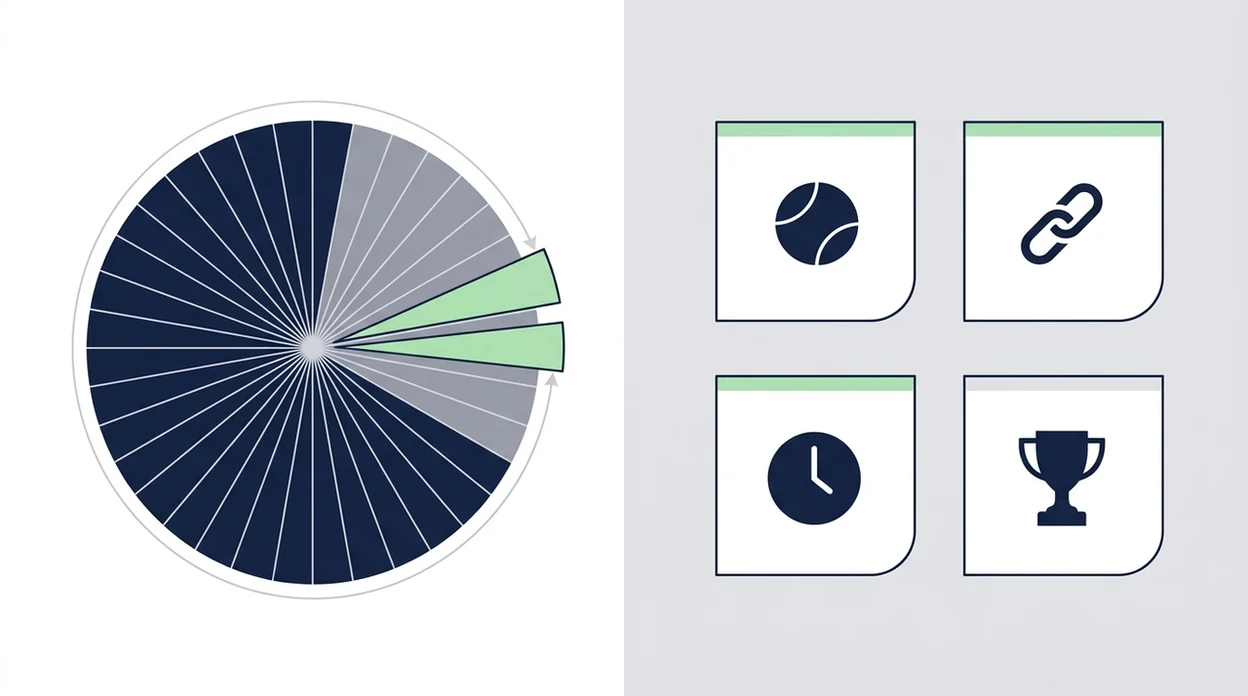
Use 1–2% stakes for most World Cup group-stage bets and reserve 2–3% only for rare knockout-stage conviction bets. A conviction bet still needs a price that beats your estimated probability.
Stake Sizing by World Cup Bet Type
- Group-stage singles: stake 1–2% because team news, rotation, and qualification incentives shift quickly.
- Knockout singles: stake 2–3% only when the odds still show value after lineup news.
- Accumulators: stake 0.25–1%, especially when legs are correlated.
- Correct scores: stake small, often below 1%, because scoreline variance is high.
- Futures: cap exposure early, because your money is locked for weeks.
Daily and Session Loss Limits
Stop betting after losing 5–10% of your total bankroll in one day. Also set a time limit, such as two matches or 90 minutes of live betting checks.
No-bet days matter. Don’t bet when tired, angry, impaired, or trying to repair a bad afternoon. Research on regular sports bettors found that 19% reported chasing losses, a gambling-harm warning sign discussed by the National Council on Problem Gambling (https://www.ncpgambling.org/help-treatment/). That is the moment a £2 unit quietly becomes £10.
Reset the plan.
How Bankroll Management Works During a World Cup Schedule
Bankroll management works by making stake size respond to your total budget rather than your mood. Percentage-based staking lowers stakes after losses and raises them only when the bankroll grows. Flat staking keeps every unit the same, such as £2 per bet from a £100 pot, which is simpler but less responsive.
Percentage Staking vs Flat Betting Model
Percentage staking absorbs variance by shrinking exposure after losing runs. Flat staking is easier to track, especially for casual bettors using a notebook or spreadsheet. For most World Cup bettors, a simple flat unit is often easier than Kelly staking because it avoids overconfidence in fragile probability estimates.
A mini-bankroll acts as a firewall. If your accumulator pot loses three slips, your singles budget remains intact. That matters when a tidy 3.80 acca depends on two legs from the same low-scoring match script.
Tournament Tilt and Decision Fatigue
World Cup group stages can bring up to four matches in a day. Fatigue turns price checks into impulse taps. A nationally representative US survey found that 48% of past-year sports bettors reported at least one gambling problem symptom.
Pre-commitment reduces in-the-moment decisions. Write the stake before kickoff, not after the 63rd-minute red card.
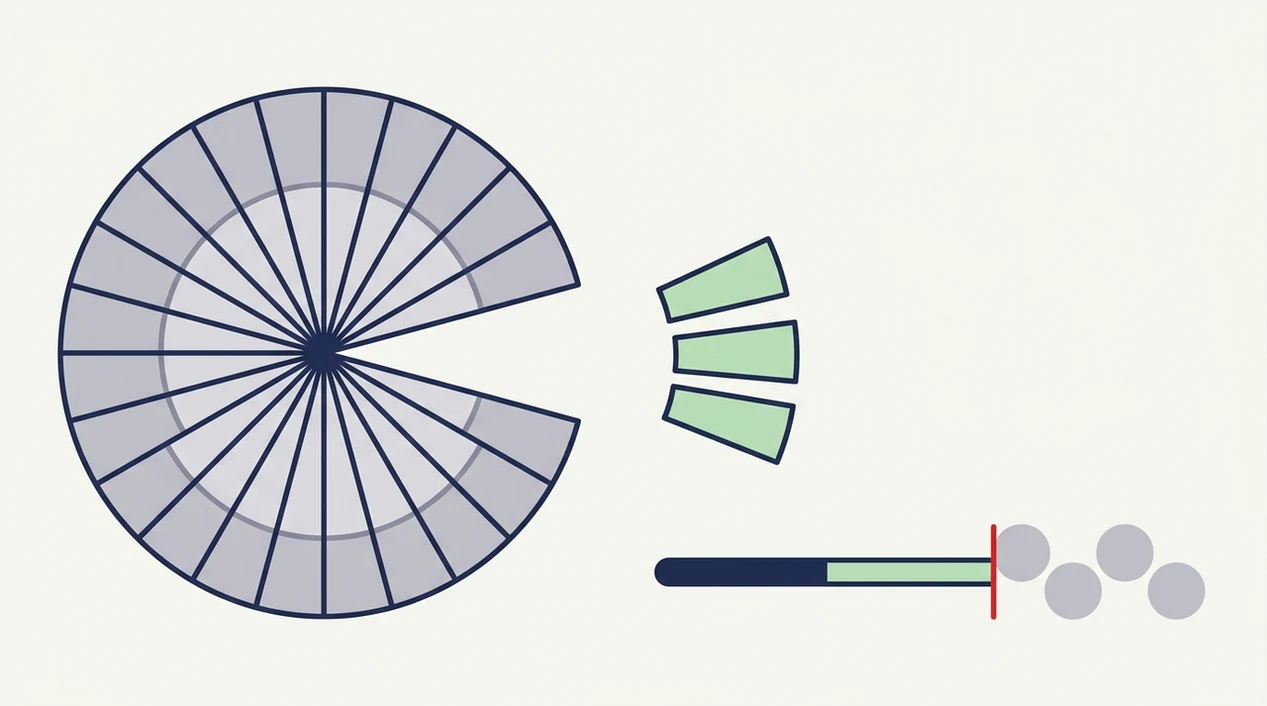
4 Common Bankroll Management Myths in Football Betting
Bankroll myths usually sound tidy because they remove discomfort. Real staking keeps the discomfort visible.
- “Martingale or Kelly guarantees profit.” False. Martingale needs unlimited money and limits that do not exist. Kelly depends on accurate edge estimates, which most bettors overstate.
- “Chasing losses gets me back to even.” False. Chasing usually increases stake size after judgment has already weakened. The 19% chasing-losses figure is a warning, not a challenge.
- “Bankroll rules are only for pros.” False. Casual World Cup bettors face the same variance, just with less tracking.
- “Accas and live bets don’t need rules.” False. They often need stricter caps because variance compounds.
Tools like WC Betting Tips, Forebet, and Free Super Tips can help compare markets, but no page should decide your stake for you. Use a Value betting guide to separate a good opinion from a good price.

What World Cup Bankroll Rules Do Not Cover
Bankroll rules do not turn bad picks into winners. If a bet has negative expected value, smaller stakes may slow the loss, but they do not change the maths.
A staking plan also does not guarantee profit in efficient World Cup markets. Popular matches are priced heavily, and odds may move from 2.10 to 1.90 before you act. The question then is not “is it stronger?” but “has the value gone?”
These rules do not handle every human situation. Alcohol, peer pressure, national bias, and a late goal can break a neat spreadsheet. One study found that 19% of problem gamblers had debts greater than six months’ income, compared with 2% of non-problem gamblers.
That is not a staking problem anymore.
If you are still building the basics, How to bet on World Cup is a better starting point than increasing stake size.
How to Contact GambleAware, GamCare, and NCPG for Betting Help
If betting is causing stress, debt, secrecy, or arguments, bankroll management is not enough. Professional gambling support is the next step, and asking for it is a strength, not a failure.
UK readers can contact GambleAware for support routes (https://www.gambleaware.org/) and GamCare for the National Gambling Helpline (https://www.gamcare.org.uk/). US readers can contact the National Council on Problem Gambling, commonly listed as NCPG, through its helpline and state-level resources (https://www.ncpgambling.org/help-treatment/). Licensed bookmakers also offer self-exclusion, deposit limits, time-outs, and reality checks.
Use those tools before the situation feels unmanageable. Borrowing money to bet, lying about betting, hiding losses, or feeling panic after a result are warning signs.
WCBettingTips can publish risk notes and staking education, but it cannot replace specialist gambling support.
Responsible Betting Scope and Safety Notice
This guide explains bankroll management for education only; it is not financial planning, clinical advice, or a reason to gamble. Stake rules can reduce exposure, but they cannot remove the risk of losing money or experiencing harm.
Before using any World Cup betting guidance, treat the bankroll as money already gone. Do not use rent, food money, bills, debt repayments, savings, travel funds, or borrowed cash. If a small stake would still create stress, the right stake is zero.
- Check that you are old enough to gamble where you live and that online betting is legal in your location.
- Separate any betting budget from essential money before you open a market or read a tip.
- Pause if betting feels urgent, secretive, emotional, or necessary to fix a previous loss.
- Contact a licensed support service, helpline, counsellor, or local gambling-harm organisation before placing another bet if you feel distressed or unable to stop.
- Accept that no bankroll method, model, or tournament angle makes betting safe for everyone.
Limitations
Bankroll management reduces exposure, but it has hard limits. Treat these as part of the method, not small print.
- It cannot convert a negative-expected-value strategy into long-term profit.
- It assumes rational decision-making, which can break down under stress, alcohol, fatigue, or emotion during major World Cup matches.
- Strict percentage rules feel slow and boring. Some bettors abandon them during hot streaks, group-chat pressure, or a noisy pub build-up.
- World Cup markets are often efficient for popular fixtures, so discipline may reduce losses rather than create profit.
- It does not address deeper gambling addiction. Professional help is essential when betting causes harm.
- Flat staking, percentage staking, and Kelly all require honest tracking. Most casual bettors skip this when results turn messy.
- Mini-bankrolls only work if you refuse to raid one pot after another pot loses.
A practical World Cup betting strategy should treat bankroll percentage as part of the pick, not an afterthought.
FAQ
What is bankroll management?
Bankroll management is the practice of setting a fixed betting budget, dividing it into controlled stake sizes, and using limits so betting does not damage your finances.
What percentage should each World Cup bet be?
Most World Cup bets should be 1–3% of your total bankroll. Lower stakes help you survive losing streaks across a dense tournament schedule.
Is chasing losses ever a good idea?
Chasing losses is not a good idea because it increases risk when judgment is often weaker. Research on regular sports bettors found that 19% reported chasing losses, a behavior linked with gambling harm.
What is the 1-3-2-6 betting strategy?
The 1-3-2-6 strategy changes stake size across a four-step sequence after wins. It does not overcome bookmaker margin, bad odds, or negative expected value.
Does bankroll management guarantee profit?
No, bankroll management does not guarantee profit. No staking system can turn negative expected value into long-term profit.
Should accumulators have separate bankrolls?
Yes, accumulators should usually have a separate mini-bankroll because they carry higher variance than singles. This keeps a losing acca run from damaging the rest of your betting budget.
How do I set a daily loss limit?
Set a daily loss limit by choosing a fixed stop point before betting, such as 5–10% of your total bankroll. Stop betting for the day when that limit is reached.
What is the 80/20 rule in gambling?
The 80/20 rule in gambling usually means a small share of bets can drive most of a bettor’s results. It is an observation about concentration, not a profit system.
When should I seek gambling help?
Seek gambling help if you borrow money to bet, hide betting, lie about losses, feel distress, or cannot stop after reaching limits. Contact GambleAware, GamCare, NCPG, or a local licensed support service.