
Responsible Gambling for World Cup 2026 Football Betting

Quick answer: Responsible gambling means setting firm time and money limits on your World Cup 2026 bets, using built-in sportsbook safety tools, and treating every wager as paid entertainment rather than income. If betting stops being fun or starts causing financial stress, free confidential help is available through national helplines and self-exclusion programmes.
> Definition: Responsible gambling is a practical framework of limits, tools, and self-awareness that keeps World Cup football betting safe, affordable, and under your control.
TL;DR
- Set strict deposit and loss limits before the World Cup 2026 tournament starts
- Learn the 7 warning signs of problem gambling so you can act early
- Use sportsbook self-exclusion, time-outs, and deposit caps as your first line of defence
- Treat every World Cup bet as entertainment spend, never as an income strategy
- Contact a free helpline immediately if gambling is causing financial, emotional, or relationship harm
What Responsible Gambling Covers on This Site
Responsible gambling on this page means limit-setting, warning-sign awareness, self-exclusion guidance, and direct routes to problem gambling help for football bettors.
This page is the site's central safer gambling resource. It applies to every World Cup 2026 betting tip, correct score prediction, BTTS view, over 2.5 lean, and accumulator angle published here. If a match page discusses a bet, this policy sits behind it.
This site does not operate a sportsbook. We publish football betting analysis, not betting accounts, odds markets, or payment systems. That matters because we cannot close your account or block deposits. Only your sportsbook can do that.
The practical line is simple. Betting content should help you understand risk, not push you past your limit.
5 Facts Every World Cup Bettor Must Know About Safer Gambling
- Gambling disorder is not rare. An estimated 1.0–2.0% of U.S. adults meet gambling disorder criteria each year, with more experiencing mild or moderate gambling-related problems, according to a 2015 review source.
- Financial harm is common among problem gamblers. A Canadian study found that 46.2% of people with problem gambling reported significant financial problems, and 38.1% reported relationship breakdowns. source
- Chasing losses is a warning sign. Trying to win back a bad match day is not a strategy. It is a core diagnostic sign of gambling harm.
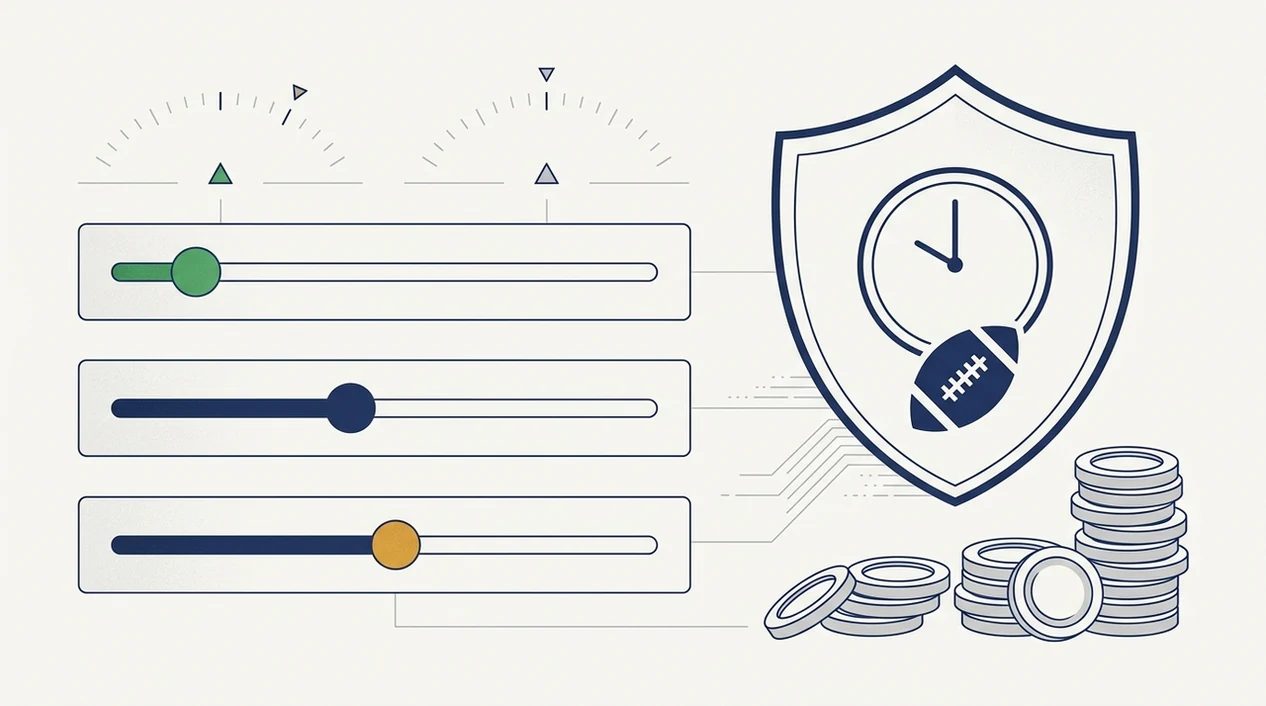
- Sportsbook tools are the first defence. Deposit limits, time-outs, loss caps, and self-exclusion create friction before emotion takes over.
- Early help is better than “one more acca.” Reaching out before the damage grows usually beats trying to fix the week with another long-shot slip.
Small stake. Big odds. Still risk.
How Responsible Gambling Works During a World Cup Tournament
Responsible gambling works by adding friction between impulse and action. During a World Cup, that friction matters because betting volume, peer pressure, and emotional stakes rise sharply around knockout matches.
Why World Cup 2026 Is a High-Risk Betting Period
World Cup betting can feel different from a normal league weekend. There are late-night group games, simultaneous final-round fixtures, and group chats buzzing after team news. The danger is not just the number of matches. It is the emotional charge around national teams and live in-play markets.
No tipster, xG model, Poisson projection, or accumulator strategy removes the house edge. Good World Cup 2026 betting tips explain probability, price, and risk, not guaranteed profit or income.
How Sportsbook Safety Tools Create Friction Against Impulse
Deposit limits slow down the moment between “I want to bet” and “I have placed it.” Session timers fight time distortion when matches run back-to-back. Self-exclusion removes access entirely when self-regulation is not holding.
The safer route is setting the limit before kick-off, not after the 88th-minute equaliser.
Responsible Gambling Guarantees for Football Bettors
This site makes these commitments across World Cup 2026 betting content:
- Every tips page includes a responsible gambling reminder.
- Betting is never presented as guaranteed income, an investment, or a way to solve money stress.
- Help resources are linked from articles that contain betting tips.
- Under-18s are not targeted.
- High-risk staking systems are not promoted.
- Pre-tournament limit-setting is encouraged before major World Cup betting periods.
Match-research checklists can help structure your thinking, but they cannot make a bet safe by themselves. The bet I would trim first is always the one placed because everyone else in the group chat is on it.
For new bettors, World Cup betting for beginners explains markets and odds before any staking decision is made.
7 Warning Signs of Problem Gambling for Football Bettors
Problem gambling often shows up as behaviour change, not just stake size. Watch for these seven signs during World Cup 2026:
- Chasing losses: You bet again after a bad match day to “get level.”
- Needing a bigger rush: The same stake no longer feels exciting.
- Hiding bets: You lie to family or friends about slips placed.
- Using essential money: Rent, bills, or food money goes into wagers.
- Withdrawal feelings: You feel anxious or irritable when not betting.
- Neglecting life: Work, sleep, or relationships suffer during the tournament.
- Accumulator rescue thinking: You believe the next acca will fix everything.
Research has found people with gambling disorder had 2.9 times higher odds of suicidal ideation and 4.3 times higher odds of suicide attempts than those without gambling problems. source
If that feels close to home, pause the bet slip before confirmation. Then get support.
For a wider risk breakdown, read Betting risks.

Responsible Gambling Policy Boundaries for Football Bettors
WC Betting Tips is not a licensed counselling service, treatment provider, sportsbook, or regulator. This page offers safer gambling guidance, but it does not replace professional diagnosis, therapy, debt advice, or crisis support.
We also cannot restrict your sportsbook account. Only the operator can apply account blocks, deposit caps, cool-off periods, or self-exclusion settings. If you need access removed, go directly to your sportsbook account tools or a national self-exclusion scheme.
This policy covers football betting content only. It does not cover casino gambling, poker, slots, esports, horse racing, or other non-football betting markets.
If you are searching for “safe” picks, Safe bets today explains lower-variance betting language without treating any wager as risk-free.
How to Get Problem Gambling Help and Self-Exclusion
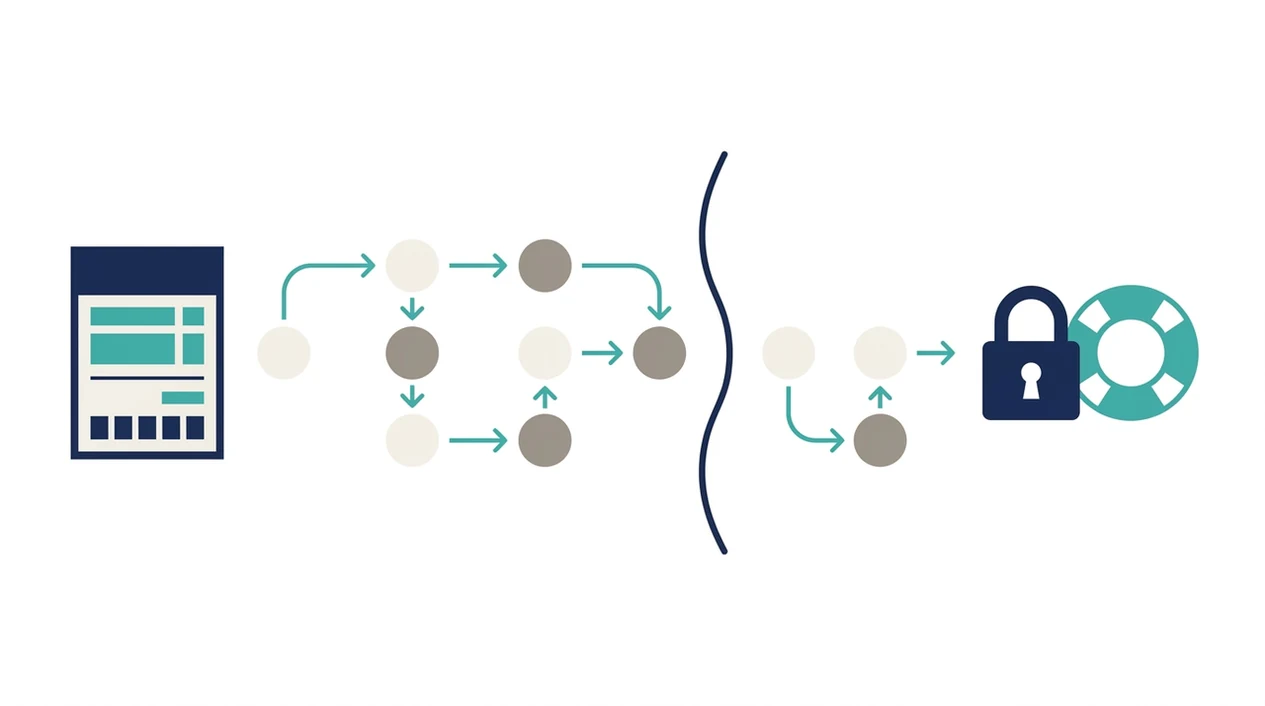
Problem gambling help is free and confidential in many countries, and you do not need to be “certain” you have a disorder before contacting support.
If you feel at immediate risk of self-harm, call local emergency services now. In the U.S., call or text 988; in the UK and Ireland, call Samaritans free on 116 123.
Confidential Helplines and Live Chat Resources
Use these routes if betting is causing stress, debt, secrecy, or relationship harm:
- Call GamCare in the UK: Phone 0808 8020 133 or use its live chat.
- Call the National Council on Problem Gambling in the US: Phone 1-800-522-4700.
- Find Gamblers Anonymous meetings: Use the international meeting finder for peer support.
- Ask early: Contacting a helpline while you are unsure is still valid.
Self-Exclusion Programmes for World Cup Bettors
To use sportsbook safety tools:
- Open your account settings: Look for “safer gambling,” “responsible gaming,” or “limits.”
- Set deposit limits: Choose a daily, weekly, or monthly cap before the tournament starts.
- Use time-outs: Block access for a short period if betting feels reactive.
- Activate self-exclusion: Use GamStop in the UK or state-level programmes in the US where available.
- Remove betting prompts: Mute push notifications and marketing emails.
For urgent support routes, Gambling addiction help gives a dedicated help-focused page.
When to Seek Professional or Emergency Help
Seek help as soon as betting starts creating money pressure, emotional distress, secrecy, or conflict with people close to you. You do not need a diagnosis, a rock-bottom moment, or a certain label before using a gambling helpline.
Routine gambling support and emergency self-harm support are different routes. Helplines can talk through urges, debt stress, account blocks, therapy options, and self-exclusion. Emergency services are for moments when you may hurt yourself or cannot stay safe.
- Call emergency services now if you feel at immediate risk of self-harm or suicide, or ask someone nearby to make the call with you.
- Contact a gambling helpline if you are chasing losses, hiding slips, borrowing to bet, lying about stakes, or feeling unable to stop.
- Tell a trusted person if you keep returning to the bet slip after promising not to. Ask them to stay with you while you block access.
- Use account blocking tools through your sportsbook or national scheme, then remove notifications and saved payment routes.
- Ask about debt advice and therapy if gambling has affected bills, loans, sleep, mood, or relationships.
Limitations
Responsible gambling tools reduce risk, but they do not fully protect someone with a severe or emerging gambling disorder. That is the honest bit.
- Self-imposed limits only work if they are set honestly and not constantly raised.
- Educational content may not change behaviour during high-emotion World Cup knockout matches.
- Most problem gambling statistics rely on self-report, so harm may be underestimated.
- Support tools vary widely by country, sportsbook, and legal market.
- Self-exclusion can fail if someone opens accounts with unlicensed operators.
- Adolescent problem gambling prevalence is roughly 2–5%, higher than adult rates, and under-18 enforcement differs by jurisdiction. source
- A betting tips site cannot provide clinical care, debt management, or emergency mental health support.
Clinicians typically recommend combining access restriction, social support, and professional treatment when gambling is causing serious harm.
FAQ
What is responsible gambling?
Responsible gambling means betting with clear money and time limits, using safety tools, and treating wagers as entertainment rather than income.
What are the 7 warning signs of problem gambling?
The main warning signs are chasing losses, increasing stakes for the same rush, hiding bets, using essential money, anxiety when not betting, neglecting responsibilities, and believing one accumulator will fix everything.
How do I set deposit limits?
Log in to your sportsbook, open the safer gambling or responsible gaming section, choose deposit limits, and set a daily, weekly, or monthly cap.
What is self-exclusion?
Self-exclusion is a formal block that prevents you from accessing betting accounts for a chosen period. It can be set through a sportsbook or a national scheme such as GamStop in the UK.
Is chasing losses a sign of addiction?
Yes. Chasing losses is a recognised warning sign of gambling disorder and should be treated as a reason to stop and seek support.
Are free bet bonuses actually safer?
No. Free bet bonuses often include wagering rules and behavioural nudges that can encourage more betting than planned.
Can betting tips guarantee safe gambling?
No. Betting tips cannot remove the house edge, eliminate variance, or guarantee that gambling stays safe.
Where can I get gambling help for free?
UK bettors can contact GamCare on 0808 8020 133, and US bettors can call the National Council on Problem Gambling at 1-800-522-4700. Gamblers Anonymous also offers international meetings.
Why is World Cup betting higher risk?
World Cup betting is higher risk because tournament hype, live markets, national-team emotion, and peer pressure can increase impulsive betting.