
Exact Score Prediction for World Cup 2026 Football

Exact score prediction is a high-risk, high-reward football betting market where you must guess the precise final scoreline, such as 2–1 or 0–0, rather than just the match outcome. For World Cup 2026, bettors narrow likely scorelines by combining goals data, xG models, and tournament context, but even strong analysis cannot remove the variance in this market.
Definition: Exact score prediction (also called correct score or scoreline prediction) is a football betting market that requires the bettor to correctly forecast the precise final result of a match.
TL;DR
- Low-scoring results such as 0–0, 1–0, 1–1, and 2–1 account for over 60% of international football matches, so realistic scoreline prediction clusters around these outcomes.
- Bookmakers embed higher overrounds in correct score markets than in simple 1X2 lines, shrinking your long-term edge.
- Cap exact score stakes at a small fixed percentage of your bankroll and treat them as speculative shots, not core bets.
What Exact Score Prediction Means in Football Betting
Exact score prediction means forecasting the precise final scoreline of a football match, not just which team wins. A 2–1 Spain pick only wins if the match finishes exactly 2–1 after normal time, unless the market rules state otherwise.
That makes it different from 1X2 betting, where Spain simply need to win. It also differs from over/under goals, BTTS, and Asian handicap markets, where several scorelines can still cash the same bet.
World Cup 2026 correct score odds are usually much higher because the bettor has far fewer winning paths. A 1–0, 2–0, and 2–1 win all support a match-winner view, but only one supports a football exact score ticket.
Variance sits in the middle of the market. One deflected shot in stoppage time can turn a clean 1–0 read into a losing 1–1 slip.
Small margins hurt.
5 Facts Every Football Exact Score Bettor Must Know
- The 1–1 draw is one of the most common scorelines. It deserves attention before exotic scores.
- Low scores dominate international football. Low-scoring clusters such as 0–0, 1–0, 1–1, and 2–1 are the first place to look before considering exotic scores.
- Correct score margins are usually heavier. Bookmakers tend to build larger overrounds into scoreline prediction markets than into 1X2 lines, which means the price has less room for bettor error.
- Serious bettors keep it small. Exact score is normally a speculative slice, not the main staking plan. I still mark it separately when reviewing a match sheet.
- No fixed-score system guarantees wins. Models can sharpen probabilities, but they cannot control red cards, VAR penalties, or a goalkeeper spilling a routine cross.
For World Cup 2026, good world cup 2026 betting tips deliver probability, context, and staking discipline, not certainty dressed up as confidence.
Before You Start: Data, Odds, and Bankroll Checks
Before you build a correct-score ticket, make sure the market, inputs, and stake are clear. If any of those three are muddy, the safest exact score prediction is no bet.
- Confirm the settlement rules. Check whether the bookmaker grades the score after 90 minutes plus stoppage time or includes extra time. World Cup knockout matches make this detail easy to miss.
- Collect the match data. Review team news, suspensions, probable lineups, recent xG, and any tactical changes that affect shot quality or tempo.
- Check the odds board. Calculate the overround across the listed correct scores before comparing prices. A big headline number can still sit inside a harsh market.
- Set your staking cap. Decide the maximum amount you will risk on scorelines before kickoff, then keep it separate from safer match bets.
- Walk away when details are unclear. Avoid the bet if prices are stale, lineups are uncertain, or liquidity is too thin to trust the market.
That checklist is not glamorous, but it prevents most forced scoreline bets.
How Scoreline Prediction Models Work
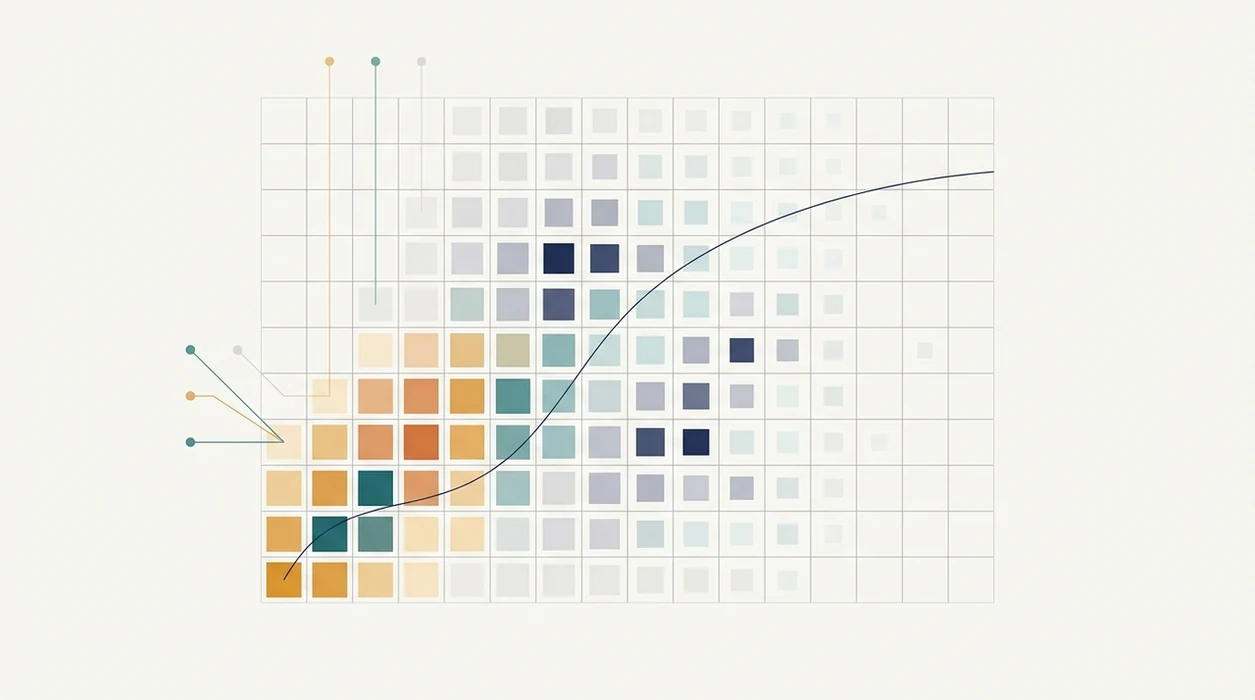
Scoreline prediction models estimate how many goals each team is likely to score, then convert those estimates into a grid of possible results. The common technical base is a Poisson distribution, which treats each team’s goals as a random count around an expected average.
Inputs usually include goals for and against, xG, home and away splits, opponent strength, tactical style, and tournament stage. In top-level football research, home teams averaged about 1.56 goals and away teams about 1.18 across a large Premier League sample, which helps explain why scorelines cluster around low totals.
A model might place probabilities on 0–0, 1–0, 1–1, 2–0, and 2–1, then rank the cells. The highest cells become the scoreline cluster.
The work is not just maths. I still cross-check FIFA match reports against federation squad lists when a player is marked absent in one source but named on the bench in another. Bad availability data makes a neat grid look cleaner than it is.
Rare events break the assumptions quickly.
How to Use Exact Score Prediction for World Cup 2026 Bets
Use exact score prediction by building a small cluster of realistic results, then checking whether the market price is better than your estimate. The bet should come after the match context, not before it.
- Gather team data. Check goals for and against, xG, recent form, squad changes, and the first-choice spine.
- Assess tournament context. Separate group matches from knockouts, then add must-win pressure, rotation risk, and travel fatigue across North America.
- Build a scoreline cluster. Identify 3–5 likely results using Poisson outputs, xG tools, or a disciplined manual model.
- Compare your cluster to bookmaker odds. Look for scorelines where implied probability sits lower than your estimate.
- Size your stake. Cap exact score bets at 1–2% of bankroll per selection.
- Track results honestly. Log every pick and measure long-term yield, not the one ticket you remember.
Tools like WC Betting Tips can help structure the comparison between a main tip, safer pick, and correct score lean. For daily examples, Correct score prediction today is most useful when the reasoning includes odds context and timestamps.
On WC Betting Tips, treat the correct-score note as a final filter, not the starting point. The WCBettingTips workflow should still begin with match probability, team news, and price comparison before any scoreline pick is logged.
World Cup 2026 Factors That Shift Scoreline Distributions
World Cup 2026 scoreline distributions may shift because the tournament expands to 48 teams and stretches across the USA, Mexico, and Canada. More group-stage mismatches can inflate some scorelines, especially if a strong side scores early.
Group tiebreakers matter too. Goal difference can push a favorite to chase a third goal instead of closing the match at 2–0. In another group, a draw may suit both teams and compress the final half-hour.
Venue context is not decoration. Afternoon heat, indoor stadiums, altitude, and long flights between host cities can change pressing intensity and rotation choices. During late qualification windows, I often keep one screen on a CONCACAF table and another on goals for and against by opponent tier.
Knockout football usually pulls scores down. Extra-time risk and penalty incentives make 1–0, 1–1, and 0–0 more live than casual previews admit. The wider World Cup correct score tips angle has to account for that stage split.
Common Myths About Football Exact Score Prediction
The first myth is that fixed score systems can reliably beat bookmakers. They can’t. A rigid script ignores team news, market movement, and the random match events that decide many scorelines.
Another myth says the biggest odds are automatically the best value. A 6–3 price looks tempting, but it rarely occurs and the bookmaker margin is often wider in those outer cells.
Historical head-to-head scores are also overrated. A 2018 meeting between two national teams may involve different coaches, different centre-backs, and a completely different qualification route. Opposition level matters more than the badge pairing.
In-play correct score betting is not easy money either. Prices adjust fast after shots, cards, substitutions, and territory swings. Liquidity can dry up just when you want to enter or exit.
I have seen a cash-out decision written calmly before kickoff look much less calm after an early VAR penalty. That is the market.
Bookmaker Margins on Correct Score Markets vs Main Lines
Correct score markets usually carry a larger bookmaker margin than main 1X2 markets. That means a bettor needs a bigger analytical edge to break even on exact score than on match result betting.
Published betting-market research generally finds that derivative football markets can carry higher margins than headline win-draw-win prices; verify the overround from the actual odds board before betting. The practical point is blunt: the attractive price is not the same as a generous price.
Popular-team narratives can make this worse. If many casual bettors want Brazil 3–0 or England 2–1, the price may shorten without the true probability moving by the same amount.
For many bettors, the correct score vs match winner debate comes down to tolerance for missed near-wins. A good match view can still lose the exact score.
Bankroll Rules for Scoreline Prediction Staking
Scoreline prediction staking should be small, fixed, and separated from core betting activity. A sensible cap is 1–2% of total bankroll per exact score selection.
Long losing streaks are normal. They are not automatic proof that your model is broken. Even realistic scores miss often because one late goal changes everything.
Keep a separate scoreline speculation budget from your main football betting tips, safer picks, and accumulator activity. If the scoreline column is empty for a fixture, leave it empty. Forced bets are usually expensive.
Reset the plan.
Never chase losses by increasing stake size on correct score bets. Set a session limit before kickoff and stick to it, even if the early kickoff leg lands and the wall of screens before kickoff starts making everything feel possible.
A cold drink beside match notes does not make a 4–2 bet sharper.
Limitations
Exact score prediction has hard limits, even when the model is clean and the match notes are careful.
- Poisson and xG models cannot account well for early red cards, VAR penalties, injuries, or goalkeeper errors.
- Small World Cup samples make overfitting easy, especially with new squads and changed managers in 2026.
- Correct score markets are thin and volatile, so odds can shift quickly on popular narratives.
- Public tipsters using “guaranteed” language are often unverified and may cherry-pick past wins.
- Long losing streaks are statistically normal in football exact score betting.
- No model, AI tool, or fixed-score system removes the high variance built into the market.
- Larger bookmaker overrounds on correct score markets structurally reduce long-term bettor edge.
- Squad availability can be messy; I track yellow-card suspensions and one-booking-from-a-ban notes because a cautious full-back can change both cards and goals markets.
For record checking, correct score results matter more than isolated screenshots. A prediction archive is harder to flatter than memory.
FAQ
Is exact score prediction possible?
Yes, exact score prediction is possible, but it is extremely difficult and high-variance. Even strong analysis only estimates probabilities.
What is the most common football scoreline?
The 1–1 draw is the most common football scoreline across more than 43,000 top-level matches. It occurs roughly 11% of the time.
Can AI predict correct scores accurately?
AI and statistical models can improve scoreline probability estimates. They cannot guarantee precise scores because football contains random events.
How much should I stake on correct score?
A common rule is to stake 1–2% of bankroll on a correct score bet. Treat it as speculation, not a core investment.
Are correct score odds good value?
Correct score odds can contain value, but higher bookmaker overrounds make it harder to find. Strong analysis is needed before taking the price.
Does in-play correct score betting work?
In-play correct score betting can work, but odds adjust rapidly and liquidity often drops. It is usually harder than pre-match scoreline betting.
Which scorelines should I focus on?
Focus on low-scoring clusters such as 0–0, 1–0, 1–1, and 2–1. These cover over 60% of international results.
Will World Cup 2026 have higher scoring?
World Cup 2026 may have more group-stage mismatches because of the 48-team format. Knockout stages usually compress scores toward tighter results.